
Insurance Claims · 6 min read
Plenty of Colorado drivers carry a comprehensive deductible of a size that light hail simply will not exceed. When the assessed repair comes in under that figure, the claim produces no payment, and filing it accomplishes nothing except adding a claim to your history.
That is a normal outcome, not a problem. Here is what to do with it.
Why this happens more often than people expect
Hail is priced by panel. A hood with a scattering of small, shallow dents is a single-panel repair, and single-panel paintless work is one of the more affordable jobs in the shop. Meanwhile deductibles of a meaningful size are common on Colorado policies, particularly where drivers have raised them to reduce premiums in a hail-prone state.
Put those together and light hail frequently lands under the deductible.
Option one: pay directly
For light damage this is usually the cleanest route. You get the panels repaired without opening a claim, the factory paint stays on the car, and there is no claim on your record. Ask for a direct-pay quote when you get the assessment so you can see the actual number rather than guessing.
Because paintless dent repair has no paint or materials cost, direct-pay hail work on one or two panels is often surprisingly reasonable.
Option two: have the scope confirmed properly
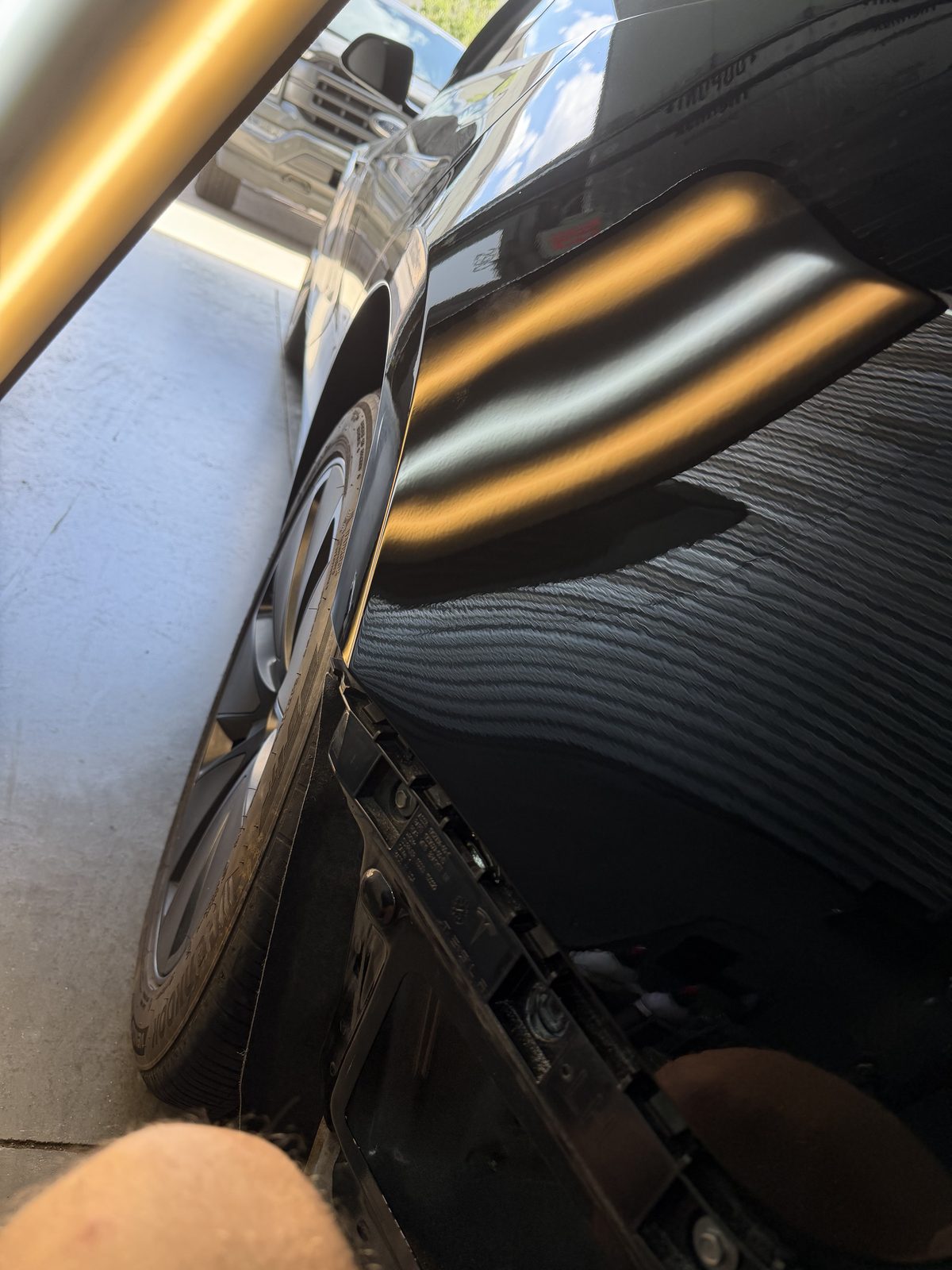
Sometimes the first look understates the damage. Panels that appear clean in flat light can show significant dent counts under a proper reading. Upper door edges, roof rails and the leading edge of a hood are commonly missed.
If the initial number is close to your deductible, a thorough assessment is worth doing before writing off a claim.
Option three: leave it, but understand the trade
Cosmetic hail on an older vehicle you plan to keep is a valid thing to live with. Two caveats. First, it will be noted at trade-in and it reduces what a buyer will pay. Second, if any impacts broke the paint, those spots should still be addressed so moisture does not reach bare metal through a Colorado winter.
What about lowering the deductible?
You cannot change a deductible retroactively for damage that has already happened, but it is worth reviewing your comprehensive deductible at renewal if you park outside in a hail-prone part of the metro. That is a conversation for your agent, not a repair shop.
For the wider decision, read should I file a hail claim in Colorado.
Getting a direct-pay number
Send low-angle daylight photographs of each affected panel through our estimate form, or ask about pickup and return if getting to the shop is inconvenient. We will quote the panels that actually need work rather than the whole car.