PDR Guides · 7 min read
The most common worry we hear before a repair is whether the paint will crack. It is a sensible question. Original factory paint is applied and cured in conditions no shop can reproduce, and once it is gone, it is gone.
The short answer: a correct paintless dent repair leaves factory paint intact. The longer answer is worth understanding, because it explains why we assess paint before quoting anything.
What factory paint actually is
Modern automotive finish is a layered system: electro-coat primer bonded to the metal, a colour basecoat, and a clearcoat on top. Together they form a flexible film that is designed to move with the panel through temperature swings, vibration and minor flex. Colorado gives paint plenty of all three.
Because it flexes, paint can follow metal that is moved slowly and in small increments. That is the entire basis of paintless dent repair.
Why correct PDR does not crack paint
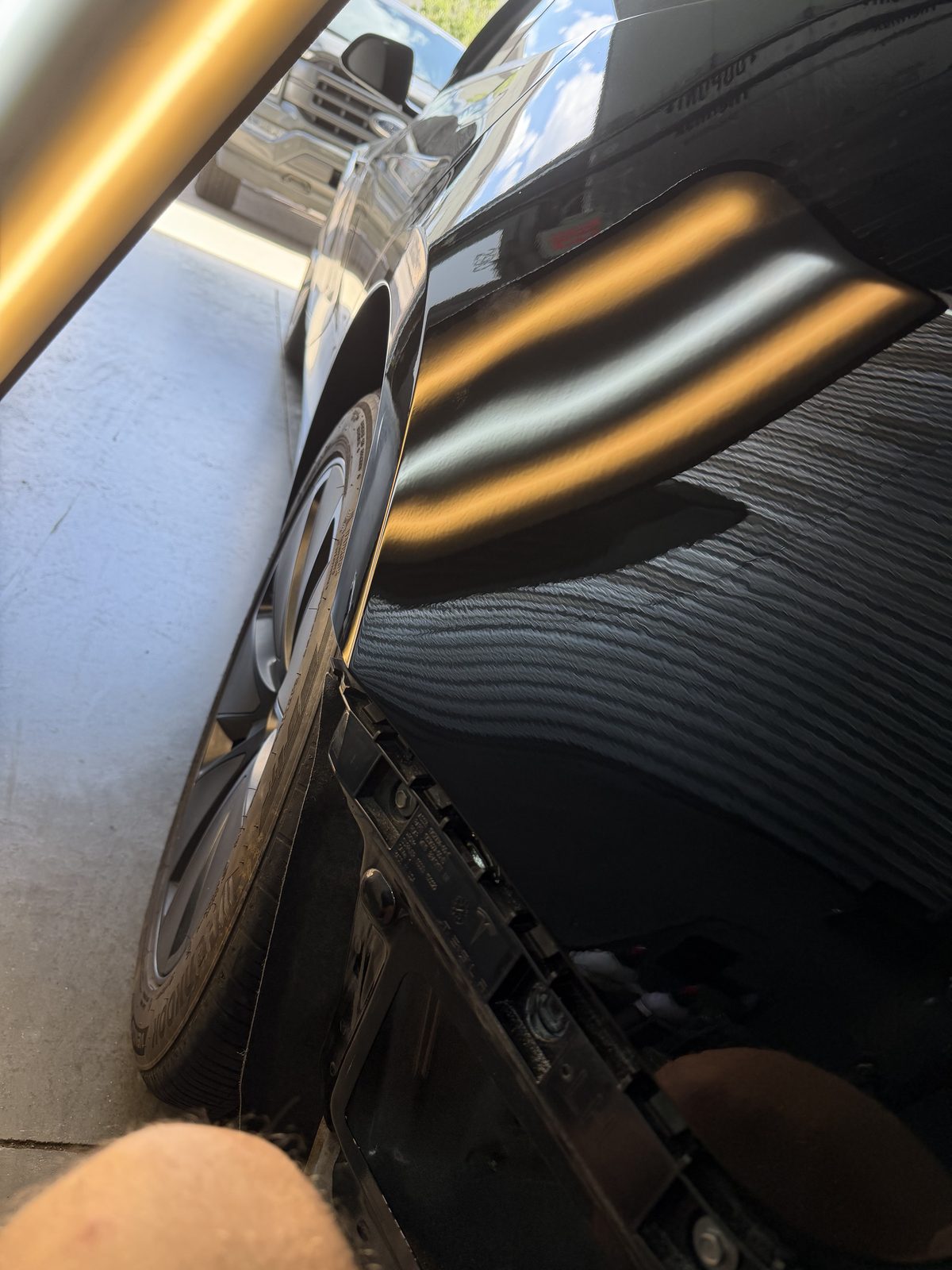
A technician works in tiny movements, watching the reflection change with each push, rather than forcing the metal back in one motion. Where needed, gentle warming keeps the film pliable, particularly on cold days or on aluminium panels. Nothing is sanded, filled or sprayed, so the original clearcoat that leaves the factory is the clearcoat still on your car afterwards.
When paint is genuinely at risk
- Paint that is already cracked or chipped. Damaged film cannot flex safely and will spread.
- Previous repaint. Aftermarket paint is usually less flexible than factory finish, particularly if it was applied over filler.
- Filler under the surface. Body filler does not move with the metal. Working over it can lift the surface.
- Severe metal stretch. Extreme movement asks more of the paint than it can give.
- Very cold panels. Cold paint is brittle. This is why we warm panels rather than working a frozen car outside.
This is why the assessment matters more than the repair estimate. If we see any of the above, we tell you before starting.
Why keeping factory paint matters
Beyond appearance, original paint has real value:
- Vehicle history and inspection reports note repainted panels.
- Paint depth gauges used at trade-in and by enthusiasts detect refinished areas.
- Colour match on metallics and pearls is difficult, and blending into adjacent panels widens the repair.
- Factory corrosion protection stays undisturbed, which matters through Colorado winters and road salt.
How to protect your paint after a repair
Nothing special is required, because nothing was refinished. There is no cure time and no wait to wash the car. Ordinary care applies: wash regularly through winter to remove salt and magnesium chloride, keep the finish sealed or waxed, and address chips early so moisture does not get under the film.
If you are unsure whether your panel has been repainted before, we can check during the free assessment.