
Insurance Claims · 7 min read
Filing is the easy part. What most drivers actually want to know is what happens next, and how long each stage takes. Insurers run their claim operations differently and they change them over time, so this guide sticks to the stages common to comprehensive hail claims rather than claiming inside knowledge of any carrier's procedures.
Colorado Dent Solutions is an independent shop with no affiliation to GEICO.
Stage one: reporting and claim setup
You report the damage and a claim is opened. You will normally be asked when the storm occurred, where the vehicle was, and what damage you have observed. Having your photographs and the storm date to hand makes this quick.
Ask, at this point, what your comprehensive deductible is and how the carrier wants the vehicle inspected.
Stage two: inspection and estimate
Hail inspections may be handled through an appointment, a drive-in facility or a photo-based process depending on the carrier and the volume of claims after a storm. An estimate is written listing panels, dent counts and dent sizes.
Read it. If panels you know are damaged are missing from the estimate, say so early rather than after work begins.
Stage three: choosing where to repair
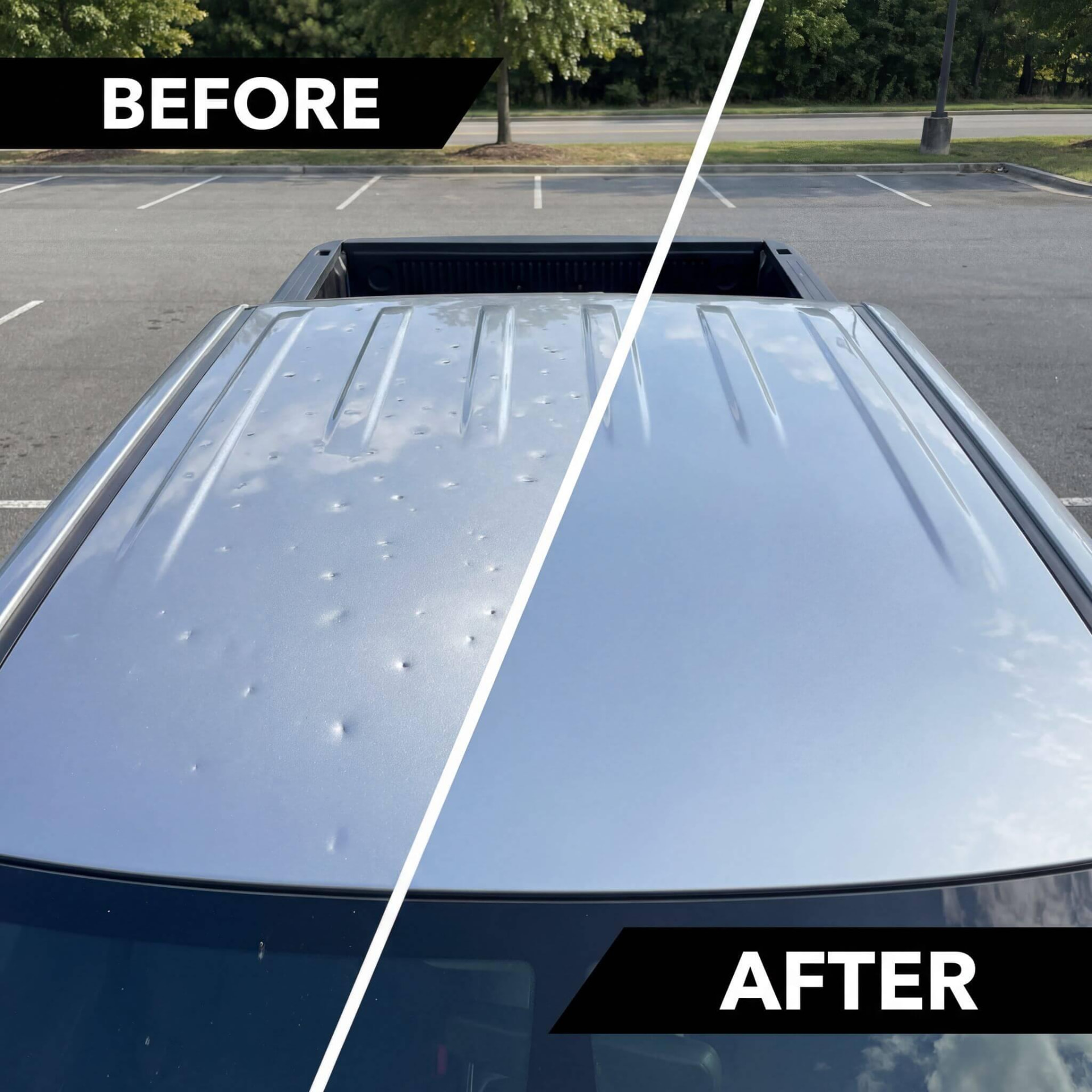
You choose the shop. A carrier may present network options, and those exist for convenience, not obligation. What matters is that the shop reads the panels properly, uses paintless repair where the paint allows, and is local enough to stand behind the work.
Our approach is described on the hail damage repair page, and the Denver metro specifics are on our GEICO hail claim page.
Stage four: repair and supplements
Once the vehicle is in the shop and panels are read under a light board, the real dent count emerges. If it exceeds the written estimate, the additional scope goes back to the carrier as a supplement. Approval is the carrier's decision.
Timeline depends on how many panels are involved. Light damage on one or two panels is usually a day. A heavily hit vehicle is several days, longer during peak storm season.
Stage five: payment and pickup
Payment arrangements vary by claim and carrier. You are responsible for your deductible portion where one applies. Be cautious of anyone promising a specific out-of-pocket outcome before your policy and damage have been reviewed. Whether a driver pays little or nothing depends on the repair, the policy, the deductible, applicable assistance terms and the insurer's decisions.
Read the honest version of the $0 out-of-pocket question for more.
Keeping your own timeline short
Book the repair slot while the claim is still moving. It costs nothing to schedule, and it protects your place in the queue. If you cannot lose the car for several days, ask about vehicle pickup and return, or rental car assistance, when you request an assessment.