
Insurance Claims · 7 min read
Once a hail claim is settled, some drivers wonder whether they can keep the money and live with the dents. It is a fair question, especially on an older vehicle. The answer depends on your policy, your lender if the vehicle is financed or leased, and what you plan to do with the car.
Nothing here is legal or insurance advice. Confirm your own situation with your insurer and, where relevant, your lienholder.
If you own the vehicle outright
When there is no lender involved, a settlement payment is generally yours, and how you use it is between you and your policy terms. Many drivers with older vehicles and cosmetic-only damage do exactly this.
Check your policy wording first. Some carriers structure payments in stages, holding part of a settlement until repairs are documented.
If the vehicle is financed or leased
This is where it usually changes. Lenders and leasing companies commonly require damage to be repaired, because the vehicle is their collateral. Settlement cheques are sometimes issued naming both you and the lienholder, which effectively means the repair has to happen.
On a lease, unrepaired hail is very likely to appear as excess wear at return, and the charge applied then is often higher than the repair would have been.
What keeping the money costs you later
- Resale and trade-in. Hail damage is obvious to any appraiser and it reduces offers noticeably.
- Future claims. Insurers may exclude previously paid, unrepaired damage from a later claim on the same panels.
- Corrosion risk. Where impacts broke the paint, exposed metal in a Colorado winter is a genuine problem.
- Insurability. Some carriers restrict comprehensive coverage on a vehicle with unrepaired damage.
The middle path most people miss
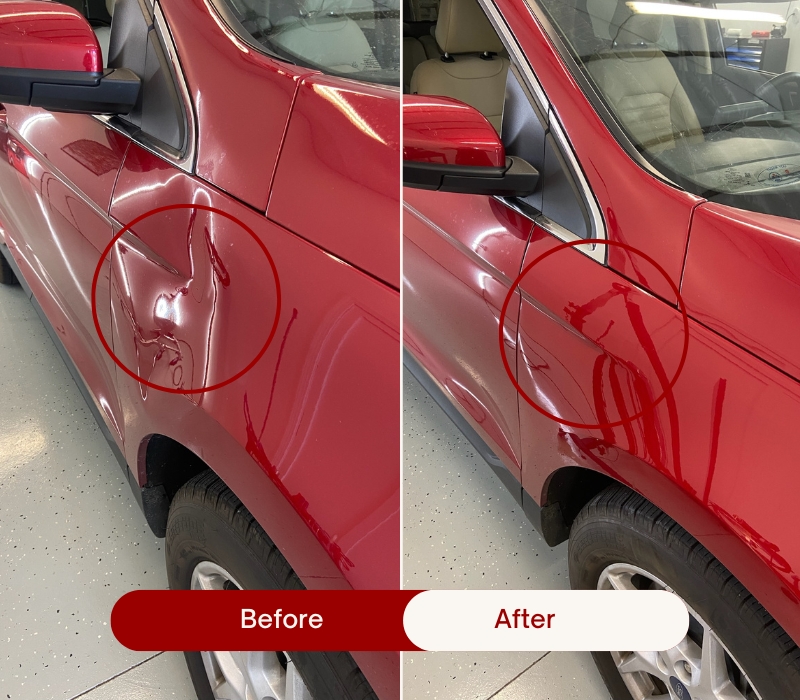
You do not have to choose between a full concours restoration and doing nothing. Paintless dent repair can be scoped: repair the roof, hood and the panels people actually see, and leave lower-visibility areas. On a direct-pay basis this is straightforward, and it addresses both the value hit and any paint breaks.
Ask for a priority-panel quote when you have the vehicle assessed.
Before you decide
- Read your policy terms about repair documentation.
- Check whether a lienholder is named on the cheque.
- Get an honest assessment of what the repair actually requires.
- Consider how long you intend to keep the vehicle.
We can help with the third point. Send photographs through the free assessment form and we will tell you what the panels need, whether or not you decide to repair.